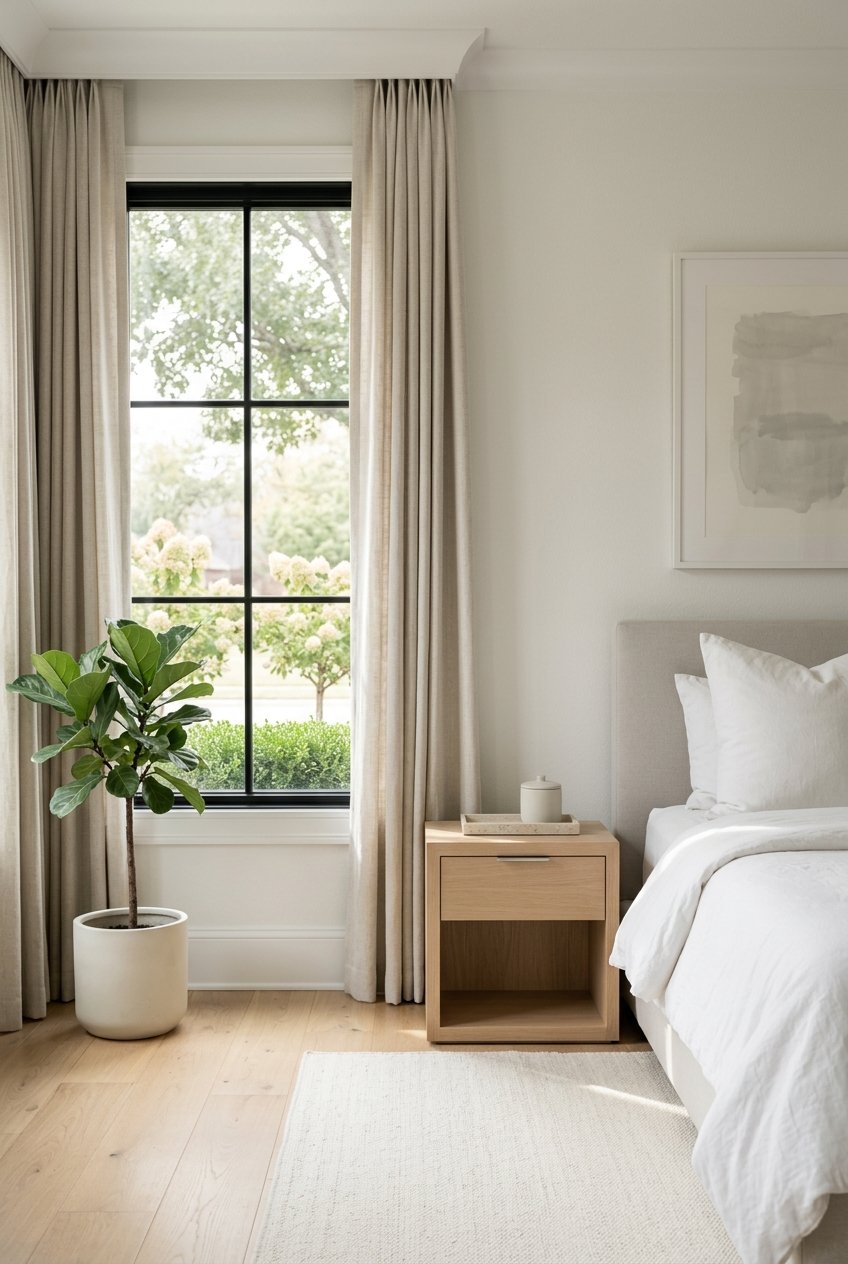
If your Carmel home is hitting the market soon, presentation can shape how quickly buyers respond. In a market where homes are still moving at a solid pace, buyers also have options, which means cluttered rooms, weak photos, or unfinished details can make your listing feel easier to skip. The good news is that you do not need to guess where to focus. A smart staging plan can help you highlight the spaces that matter most and create a stronger first impression online and in person. Let’s dive in.
Why staging matters in Carmel
Carmel remains an active market, but it is not a market where every home sells itself. Realtor.com’s April 2026 snapshot shows a 27-day median days on market, a median listing price of $574,000, and a 100% sale-to-list ratio, while also classifying Carmel as a balanced market. Indiana REALTORS data for Hamilton County showed 1.6 months of inventory and a 98.0% three-week average percent of list price in April 2026.
What that means for you is simple. Buyers are still making moves, but they are comparing homes carefully. When inventory rises and nearby listings look polished, strong presentation becomes part of your pricing and marketing strategy, not just a finishing touch.
Carmel homes compete across price points
One reason staging matters in Carmel is that the market spans a wide range of price bands. Recent Realtor.com figures show median listing prices around $374,900 in Old Meridian, $539,900 in Plum Creek, $549,900 in Brookshire, $589,000 in Springmill, $630,000 in Carmel City Center, $764,900 in the Carmel Arts and Design District, and $797,450 in The Village of West Clay.
That range matters because buyer expectations shift with price. A presentation plan that works well for a mid-market home may feel too sparse in a higher-price listing. In Carmel, staging should match both your home’s condition and the price bracket where it will compete.
What staging can realistically do
National survey data points to a few practical benefits. In the 2025 Profile of Home Staging, 49% of sellers’ agents said staging reduced time on market, and 29% said it increased the dollar value offered by 1% to 10%. Just as important, 83% of buyers’ agents said staging made it easier for buyers to picture the property as their future home.
That does not guarantee a specific outcome for your home. Still, it explains why staging is often treated as an investment rather than a cosmetic extra. At Carmel’s April 2026 median listing price of $574,000, even a modest lift in buyer response can have meaningful financial impact.
Start with the basics first
Before you think about renting furniture or styling shelves, focus on the prep work that gives staging its foundation. According to the same NAR survey, the most common seller recommendations were decluttering, entire-home cleaning, and improving curb appeal. Paint touch-ups, landscaping cleanup, carpet cleaning, depersonalizing, minor repairs, and professional photos also ranked high.
This is good news if you are trying to be efficient with your budget. Full-service staging is not the only path. In many cases, the biggest gains come from making your home feel clean, open, bright, and move-in ready.
Your first staging checklist
- Remove extra furniture that makes rooms feel tight
- Clear kitchen and bathroom counters
- Pack away highly personal photos and memorabilia
- Deep clean floors, windows, kitchens, and baths
- Touch up visible paint scuffs and wall marks
- Fix small issues like loose hardware or burned-out bulbs
- Refresh the front entry and tidy outdoor areas
- Prepare the home for professional photography
Stage the rooms buyers notice first
Not every room needs the same level of attention. The NAR survey found that the most commonly staged rooms were the living room, primary bedroom, dining room, and kitchen. Buyers’ agents also ranked the living room as the most important room to stage, followed by the primary bedroom and kitchen.
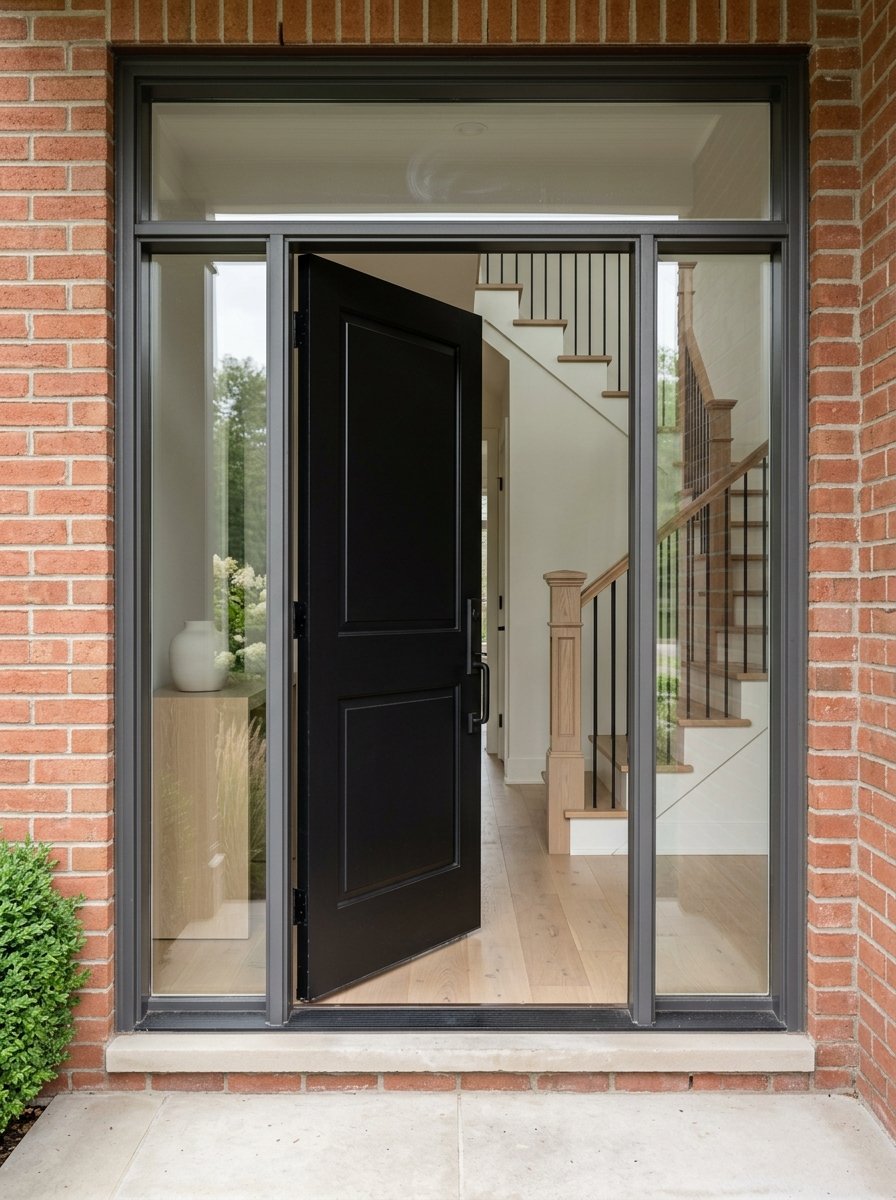
If you are deciding where to invest time and money, start there. In many Carmel homes, that also means giving the foyer and front exterior early attention because those spaces frame the first impression before a buyer sees anything else.
Living room
Your living room should feel open, calm, and easy to understand. Buyers want to see how seating fits, how traffic flows, and how the room connects to the rest of the home. Remove oversized pieces, simplify decor, and let natural light do as much work as possible.
Primary bedroom
The primary bedroom should read as restful and spacious. Keep bedding simple, reduce the amount of furniture, and clear surfaces so the room feels larger. If the room is generous in size, balanced furniture placement helps buyers understand the scale.
Kitchen
In the kitchen, clean beats complicated. Clear counters, store away small appliances, and make sure lighting is bright and even. A kitchen does not need heavy decoration, but it does need to look functional, clean, and ready for daily life.
Dining area
Dining rooms and breakfast areas help buyers picture gatherings and everyday meals. Keep place settings minimal and avoid crowding the room with extra furniture. The goal is to show purpose without making the space feel staged in an obvious way.
Front exterior
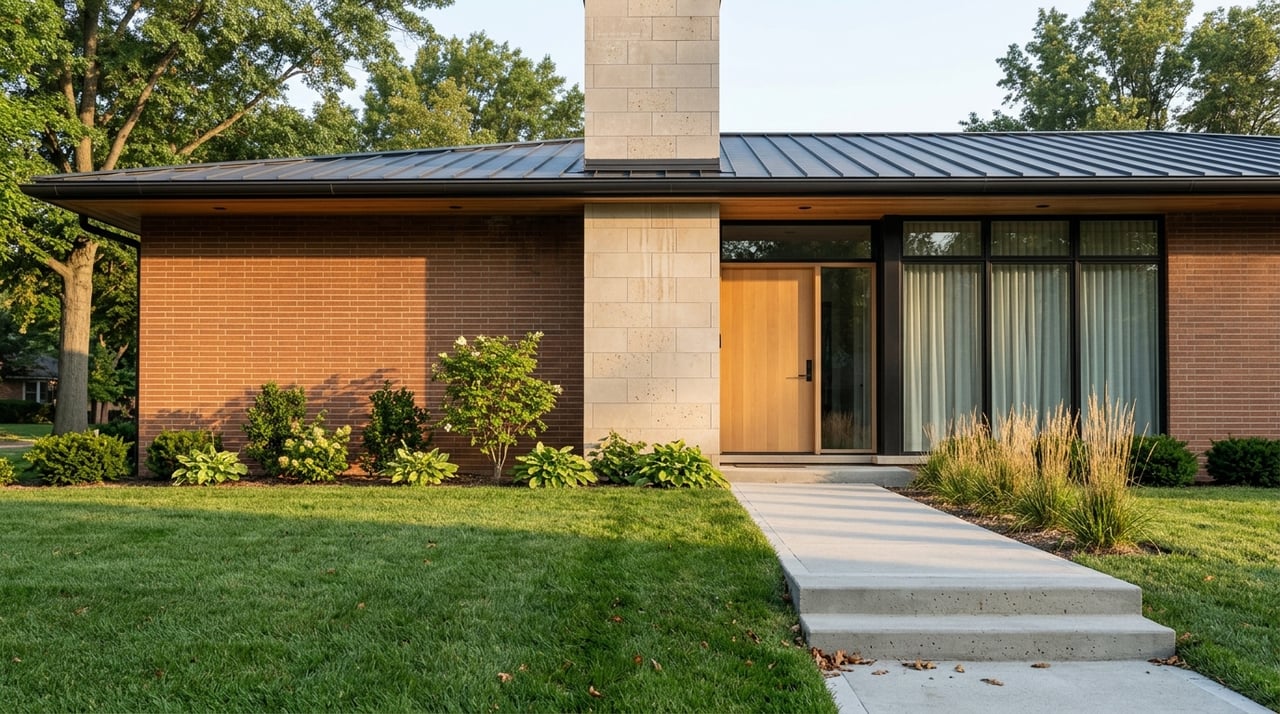
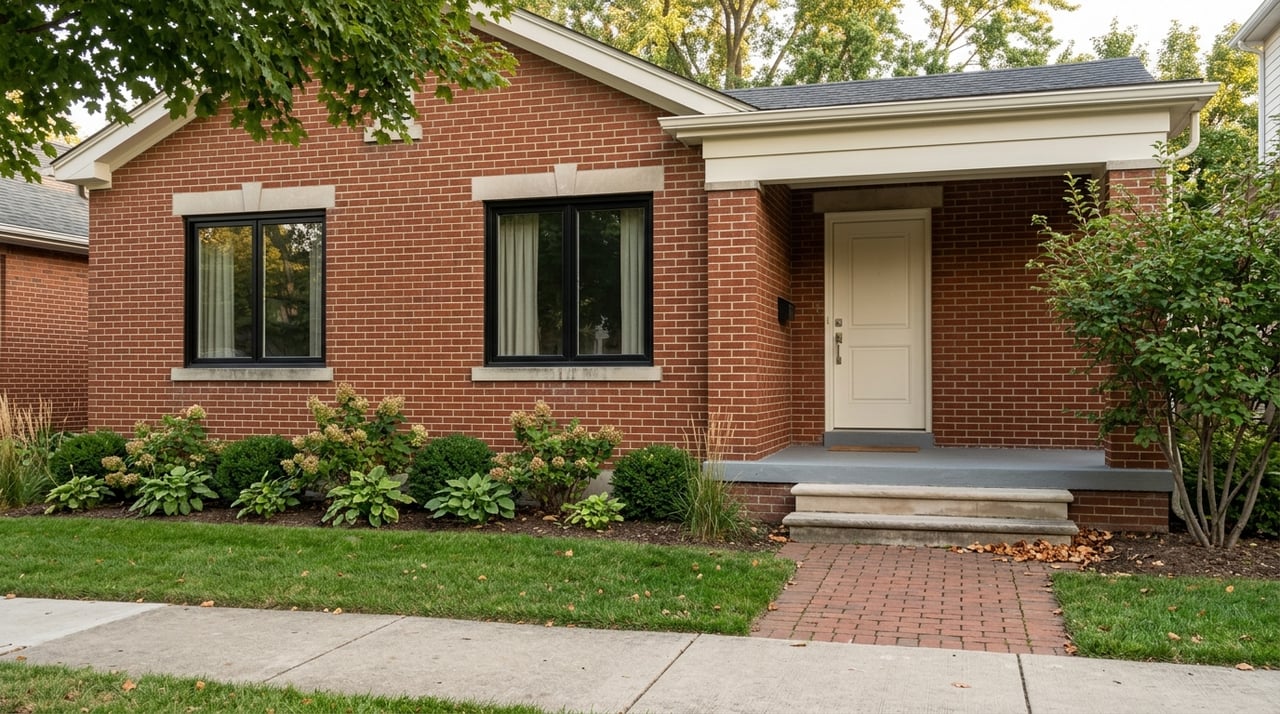
Curb appeal still matters because it shapes the buyer’s mood before the showing starts. Trim landscaping, edge the lawn, sweep walkways, and make the entry feel welcoming. A clean front door, neat porch, and visible house numbers can make a stronger impression than many sellers expect.
Match the staging plan to your price band
In Carmel, staging should be scaled to the listing. For a mid-market home, a practical formula often works best: declutter, deep clean, handle visible cosmetic fixes, and make sure the main rooms photograph well. That approach aligns with both the local market and the most common seller prep recommendations in the national staging data.
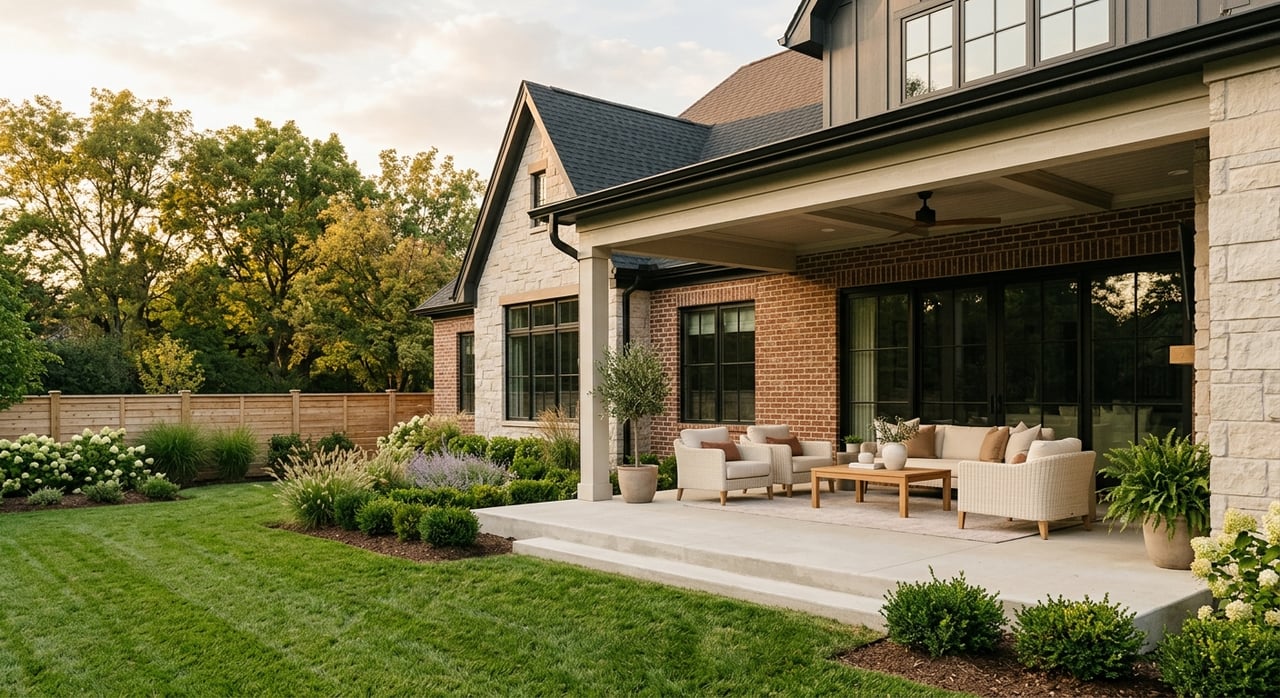
For homes in higher price ranges, especially in areas like City Center, The Village of West Clay, and the Arts and Design District, buyers may expect a more finished presentation. In those cases, fuller room staging, better furniture scale, and extra attention to the entry, great room, primary suite, and outdoor living areas can help the home feel more in step with its competition.
Do not overlook online presentation
Most buyers will meet your home online first. The NAR survey found that buyers’ agents rated photos as highly important more often than physical staging, videos, virtual tours, or virtual staging. Among sellers’ agents, photos were also the most important listing asset for clients.
That means staging and photography should work together. A beautifully prepared home with poor photos can underperform, while a clean, well-staged home with strong photography is more likely to stop buyers in their scroll and get them to schedule a showing.
What matters most online
- Professional photos
- Clear, uncluttered main rooms
- Bright lighting and open sight lines
- Video when it supports the home’s layout
- A presentation style that feels true to the property
Virtual staging can help in some situations, but the survey found it was considered less important than traditional presentation. If your home is occupied, thoughtful physical staging usually gives buyers a clearer and more trustworthy sense of the space.
Staging does not have to mean full-service
Many sellers assume staging means bringing in an outside company and refurnishing the whole home. Sometimes that is the right move, but often it is not necessary. The same survey data showed that more than half of sellers’ agents did not fully stage homes before listing them, and instead recommended decluttering or fixing property faults.
That fits well with a practical, high-value approach. You may need only a focused plan for the rooms that matter most, along with strong photography and a polished listing launch. The right strategy depends on your home, your competition, and your likely buyer pool.
Cost versus potential return
The NAR report found a median cost of $1,500 for using a staging service, compared with $500 when the seller’s agent personally staged the home. For many sellers, that makes staging easier to evaluate as a business decision rather than an aesthetic choice alone.
In Carmel, where the April 2026 median listing price was $574,000, even a small improvement in offer strength or market time can justify thoughtful prep. The key is not spending blindly. The key is putting money where buyers are most likely to notice it.
A smart staging strategy for Carmel sellers
If you want a simple way to think about staging, use this order of operations. First, remove distractions. Second, clean deeply. Third, fix what buyers will notice right away. Fourth, stage the rooms that carry the most weight in photos and showings.
That kind of plan supports what the data already suggests. In a balanced market with active buyers and growing inventory, homes that look polished, cared for, and easy to understand have a better chance to stand out quickly.
When you are ready to sell, the goal is not to make your home look like someone else’s. It is to help buyers see the value of what you already have. If you want expert guidance on pricing, presentation, and a staging plan tailored to your Carmel home, connect with Megan Kelly Leone Real Estate.
FAQs
Does home staging help homes sell faster in Carmel?
- National survey data from 2025 found that 49% of sellers’ agents said staging reduced time on market, which suggests it can help your Carmel home feel more competitive.
Which rooms should you stage first in a Carmel home?
- The top priorities are the living room, primary bedroom, kitchen, dining room, and front exterior, since those spaces tend to shape the strongest first impressions.
Do you need full-service staging to sell a Carmel house?
- No. The most common recommendations were decluttering, deep cleaning, curb appeal work, and fixing visible issues rather than fully staging every room.
What matters most for online listing presentation in Carmel?
- Professional photos matter most, followed by a clean, uncluttered presentation of the main living spaces, with video helping in some cases.
How much does home staging usually cost?
- The 2025 NAR staging survey reported a median cost of $1,500 for using a staging service and $500 when the seller’s agent personally staged the home.