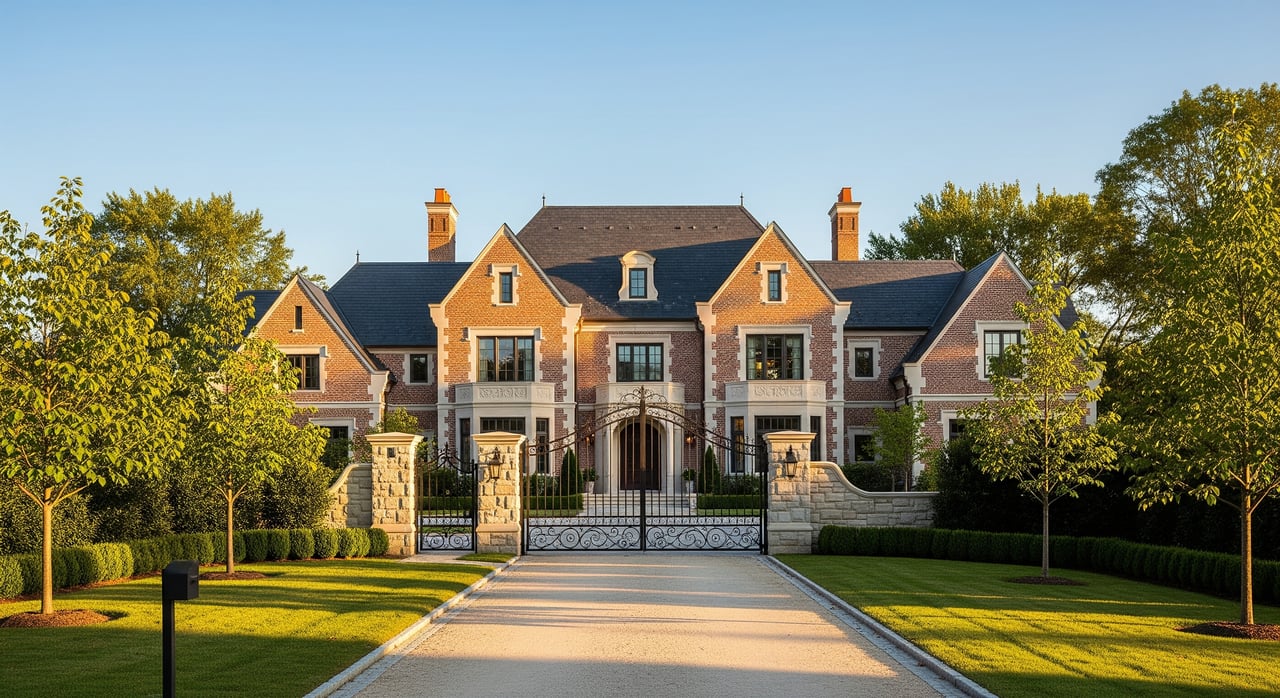
Are you trying to make a strong offer on a Williams Creek estate without giving up your safety net? You are not alone. In this luxury pocket of northern Indianapolis, the right mix of protections and speed can be the difference between winning and losing. In this guide, you will learn exactly how Indiana offer contingencies work, which ones matter most in Williams Creek, and how to tailor timelines so you can compete with confidence. Let’s dive in.
How contingencies work in Indiana
A contingency is a contract condition that must be satisfied or waived for the sale to move forward. If the condition is not met within the deadlines, you typically have the right to cancel and recover your earnest money. If you waive the contingency, you accept the risk tied to that condition.
Indiana transactions often use standardized purchase forms from local Realtor associations, which set clear deadlines for inspections, loan approval, and more. You and your agent manage those dates closely, since timing controls your rights. For background on state association resources, visit the Indiana REALTORS site at Indiana REALTORS.
Local practice matters. In competitive or luxury submarkets like Williams Creek, sellers often prefer fewer contingencies, shorter timelines, and strong proof you can close, such as cash, jumbo pre-approval, or larger earnest money. Many Williams Creek properties use jumbo financing, which typically needs more documentation and a longer underwriting runway than conforming loans. That affects how you draft financing and appraisal timelines.
The four core contingencies
Inspection contingency
The inspection contingency gives you a defined period to evaluate the property and request repairs, a credit, or to cancel. For estate homes, your plan often includes a general inspection plus specialists for structural components, roof, HVAC, electrical, plumbing, radon, septic or well, pool or spa systems, and environmental concerns such as mold or asbestos. To understand inspection scopes and specialties, review guidance from the American Society of Home Inspectors.
Typical timing is 7 to 10 days in many markets, but Williams Creek estates often benefit from 10 to 14 days to coordinate multiple experts. You usually must deliver a written repair request or termination notice by your deadline. Shortening or waiving the inspection period can make your offer more attractive, but it raises your risk if defects surface later.
Williams Creek tip: Keep an inspection contingency and negotiate a realistic window that accounts for specialists. You can include a narrow extension option for specialty inspections if both sides agree, and you can specify whether the seller must cure, provide a credit, or allow termination if significant defects are found.
Financing contingency
A financing contingency protects you if your lender does not issue final loan approval by a set commitment date. Purchase forms commonly require a good-faith effort to obtain financing and specify a deadline that can range from roughly 21 to 45 days depending on loan type and market conditions. For an overview of the mortgage process and lender timelines, the Consumer Financial Protection Bureau provides helpful guidance.
In Williams Creek, jumbo loans are common. Jumbo underwriting can involve stricter documentation and longer review periods, so build a realistic commitment date into the offer. Waiving this contingency or shortening it too much shifts the risk of denial to you and can put your earnest money at risk. Consider an underwritten pre-approval or a path to clear-to-close before removing financing protections.
Williams Creek tip: If you also need proceeds from your current home, speak with your lender about bridge or portfolio options that are designed for high-value transactions. That can reduce reliance on a home-sale contingency while keeping the deal on track.
Appraisal contingency
The appraisal contingency protects you if the home does not appraise at or above the purchase price. If the appraisal comes in low, you may be able to renegotiate price, bring additional cash to cover a shortfall, or terminate based on the contingency language. Appraisals tie closely to financing because lenders must support the loan amount with value. Learn more about appraisal basics through the CFPB’s appraisal overview.
In luxury markets with fewer comparable sales, unique features and large renovations can challenge valuation. Sellers sometimes ask buyers to waive the appraisal contingency or to include an appraisal gap promise, which commits you to cover a defined difference between appraised value and the contract price. This can strengthen your offer, but it increases the cash you may need to contribute.
Williams Creek tip: If you plan to offer above recent comparables, prepare with a larger down payment or a capped appraisal gap. You can also request permission for a private appraisal before offering, when the seller allows it. Be cautious waiving this contingency entirely on a financed purchase, since lender requirements still apply.
Home-sale contingency
A home-sale contingency makes your purchase conditional on selling your current home. These clauses often include a specific deadline and a seller “kick-out” provision that allows the seller to accept another offer unless you remove the contingency within a set time.
In tight or luxury segments, sellers are less likely to accept home-sale contingencies unless you add incentives like a higher price, a larger earnest deposit, or a short kick-out window. If you must use one, keep the timeline concise and be prepared to show strong marketing progress on your current home. For general context on contingency structures and kick-out clauses, see resources from the National Association of REALTORS.
Williams Creek tip: Explore alternatives such as bridge financing or a shorter, seller-friendly contingency with a clear kick-out. The goal is to give the seller confidence that you will close on time.
Extra protections for estate properties
Certain add-ons are common with larger lots or unique features:
- Title contingency. Review the title report and exceptions, and require the cure of unacceptable defects. Title insurance is standard.
- Survey contingency. Helpful for acreage, boundary questions, easements, or private drives, which are common considerations for estate parcels.
- HOA or POA document review. When applicable, review covenants, bylaws, and budgets.
- Environmental, septic, and well checks. Request certified inspections and water testing where relevant. ASHI offers guidance on specialty inspections at the ASHI resource hub.
- Historic or preservation review. Confirm any restrictions on exterior changes or additions for historic homes.
- Lead-based paint rules. For homes built before 1978, federal disclosure rules apply. Review the requirements through the U.S. Environmental Protection Agency and U.S. Department of Housing and Urban Development.
- Insurance contingency. Confirm you can obtain appropriate homeowner’s coverage, which can be a factor in financing approvals for high-value homes.
Typical timelines and smart drafting
Examples you can tailor with your agent:
- Inspection period: 7 to 14 days, adjusted for specialty inspections.
- Loan commitment date: 21 to 45 days, aligned to jumbo underwriting when applicable.
- Appraisal delivery: follows lender schedule within the loan process.
- Title and survey objections: often 10 to 14 days after receipt of documents.
Buyer protections that keep the deal on track:
- Specific termination rights tied to contingencies with a return of earnest money.
- Written repair request and seller response periods to resolve issues quickly.
- Mutually agreed written extensions for specialty inspections or underwriting needs.
- Escrow holdbacks when both sides want to close while a defined repair is completed.
- Kick-out clauses that let sellers keep marketing while giving you time to remove a home-sale contingency.
Williams Creek drafting tips:
- For complex estates, list permitted specialty inspections by name and allow adequate time to schedule them.
- If using an appraisal gap, state the maximum dollar amount you will cover so the risk is capped.
- For jumbo loans, set a realistic commitment date and signal your preparation with underwritten pre-approval.
- If the seller prefers a short inspection window, ask for an extension limited to named specialty checks or agree to an escrow holdback for known items.
Your Williams Creek offer playbook
Before you tour:
- Secure a thorough pre-approval, and for jumbo loans, choose a lender experienced with high-value homes.
- Ask the listing agent about seller expectations on contingencies and recent comparable sales in the area.
When you are ready to offer:
- Define the full inspection scope and a realistic timeline, including specialists.
- Decide whether to include an appraisal gap, keep the appraisal contingency as written, or increase your down payment.
- Prepare proof of funds and detailed pre-approval to strengthen your position.
- Consider a larger earnest deposit if appropriate for the property and your comfort level.
At contract stage:
- Confirm title and survey timelines account for acreage, easements, or private access.
- If you need sale proceeds, propose a concise home-sale contingency with a clear kick-out or secure bridge financing.
- Put repair terms in writing with dollar caps and deadlines, or use an escrow holdback when needed.
Work with a contract-savvy local advisor
In Williams Creek, the best offers are clear, timely, and thoughtfully protective. You want a guide who understands contingency tradeoffs and how to present them so your offer rises to the top without exposing you to unnecessary risk. With a background as a real estate attorney and award-winning local production, Megan helps you calibrate inspection, financing, appraisal, and home-sale terms to fit the home and the seller’s expectations.
Ready to talk strategy for your next Williams Creek tour? Connect with Megan Kelly Leone Real Estate to align your contingencies, timelines, and price so you can compete with confidence. Schedule a free consultation.
FAQs
What is a contingency in an Indiana home purchase?
- A contingency is a contract condition that must be satisfied or waived by set deadlines, otherwise you may cancel and recover your earnest money.
How long are typical inspection and loan timelines in Williams Creek?
- Inspection windows commonly run 7 to 14 days, and loan commitment dates often fall between 21 and 45 days, adjusted for jumbo underwriting.
What is an appraisal gap and when should I use it?
- An appraisal gap is your promise to cover a defined shortfall between appraised value and price, which can strengthen your offer but increases your cash exposure.
Will a seller accept a home-sale contingency on a Williams Creek estate?
- Sometimes, but they are less attractive in luxury segments, so consider a short timeline with a kick-out or explore bridge financing alternatives.
How do jumbo loans change my contingency strategy?
- Jumbo loans often require longer underwriting and more documentation, so build in realistic loan and appraisal timelines and use underwritten pre-approval to stay competitive.